
12V Batteries for Land Rover
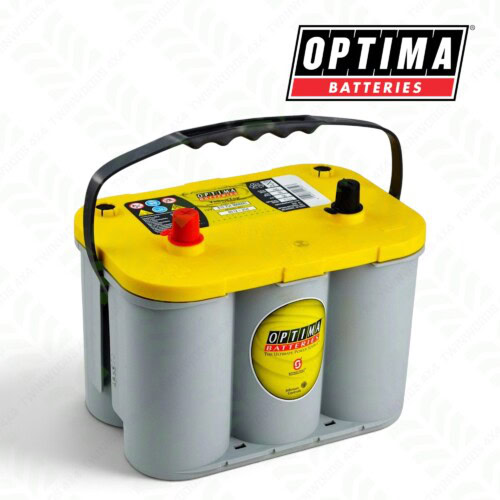
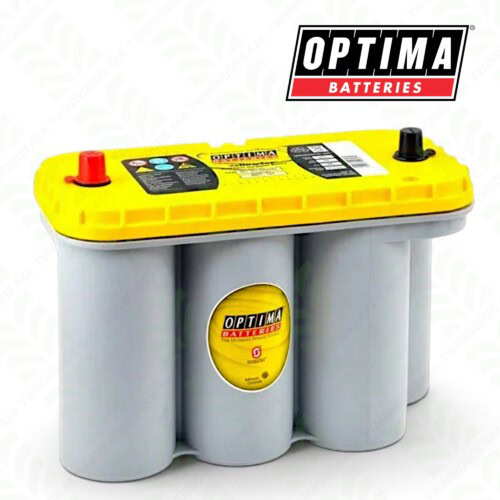
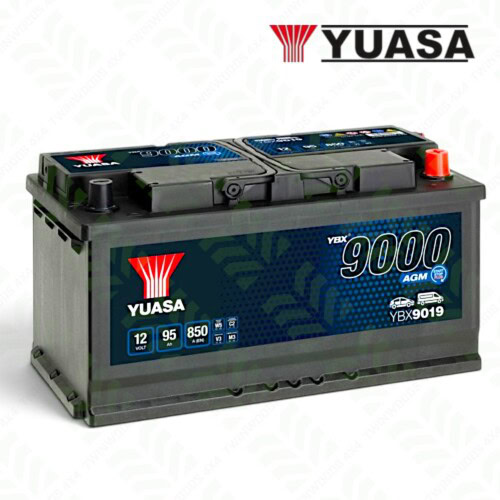
12V batteries for Land Rover Defender, Discovery and Range Rover, including standard starter batteries, high-cranking AGM batteries and dual-purpose batteries for auxiliary power and dual-battery systems.
Vehicle-specific sections cover TD5, 300TDI and Defender Puma/TDCI starter batteries, while Leisure Batteries covers auxiliary and dual-purpose use. Each battery product page includes capacity, cold-cranking output, dimensions, terminal layout and confirmed vehicle fitment.
Showing all 9 resultsSorted by popularity

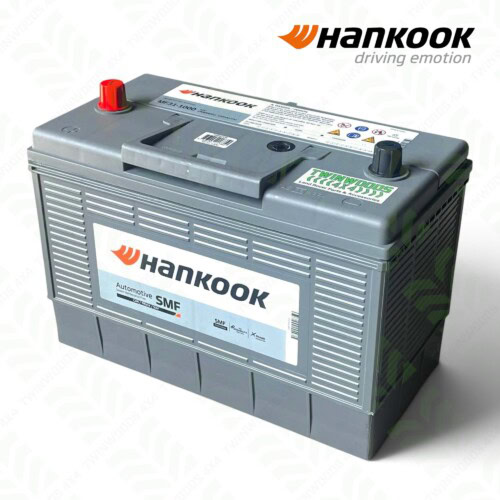


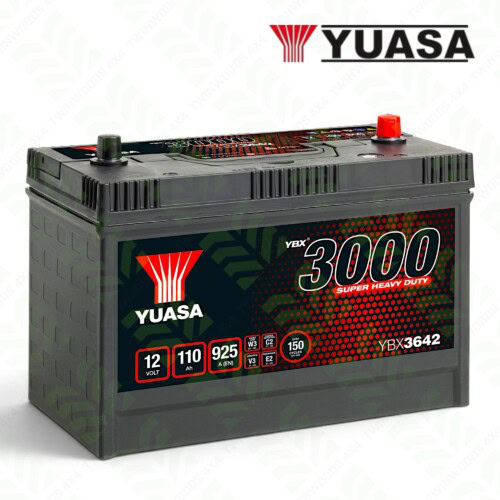
Defender, Discovery & Range Rover Starter Battery – Yuasa 110Ah 925CCA | YBX3642
TD5 Batteries Defender TD5 Engine Parts Discovery 2 TD5 Engine Parts 200TDI Engine Parts Engine 300TDI Engine Parts 300TDI Starter Batteries 300TDI Engine Parts 200TDI Engine Parts 200TDI Engine Parts 300TDI Engine Parts 2.5 Turbo Diesel Defender Electrical Parts 2.5 NA 2.5 Petrol Discovery 2 Electrical Parts Electrical Electrics

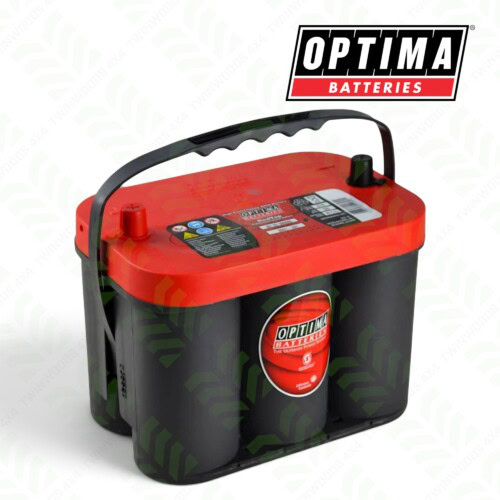

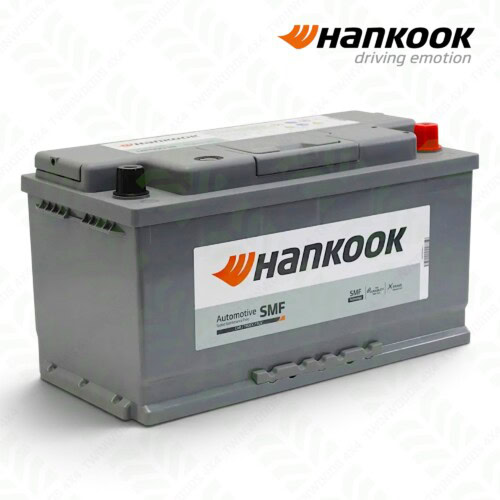


Choosing a Land Rover battery
The main choice is whether the battery is being used primarily for engine starting or also needs to cope with repeated auxiliary electrical loads. Twinwoods stocks conventional starter batteries alongside high-cranking AGM and dual-purpose batteries, with battery testing equipment for checking battery and charging-system condition.
| Battery type | Best suited to |
|---|---|
| Starter battery | Normal main-battery replacement for engine starting, including TD5, 300TDI and Defender Puma/TDCI vehicles. |
| High-cranking AGM battery | Strong starting performance from a compact AGM battery, including vehicles where high cranking output and resistance to vibration are important. |
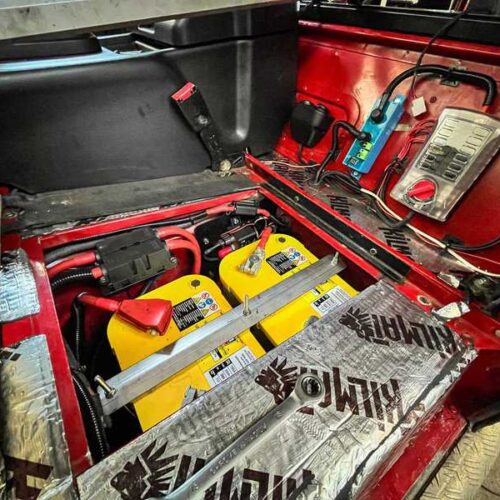
| Dual-purpose AGM / leisure battery | Engine starting combined with repeated auxiliary loads such as winches, lighting, fridges, camping equipment and split-charge or dual-battery systems. |
| Battery testing equipment | Checking battery condition, cranking performance and charging-system output before replacing parts. |
Each battery product page carries the individual specification needed for comparison, including capacity, cold cranking output, physical size and terminal layout. Where we have confirmed a battery fits a particular Land Rover, that fitment is stated directly on the product page.
Looking after your Land Rover battery
Land Rovers often have a harder battery life than an everyday car. Vehicles may stand unused between trips, make short journeys, carry winches, additional lighting, fridges or other accessories, or have alarms, trackers and other equipment drawing power while parked. Keeping the battery properly charged is one of the simplest ways to extend its useful life.
Do not repeatedly run it flat
A starter battery is designed to deliver a large amount of current for a short period and then be recharged. Repeated deep discharge damages the battery and progressively reduces its ability to hold charge.
A starter battery is designed to deliver a large amount of current for a short period and then be recharged. Repeated deep discharge damages the battery and progressively reduces its ability to hold charge.
Keep infrequently used vehicles charged
If a Defender, Discovery or Range Rover spends long periods parked, use a suitable battery maintainer rather than allowing the battery to discharge between journeys.
If a Defender, Discovery or Range Rover spends long periods parked, use a suitable battery maintainer rather than allowing the battery to discharge between journeys.
Check terminals and earths
Loose or corroded battery terminals, engine earth straps and main battery connections can all produce slow cranking and poor charging symptoms even when the battery itself is serviceable.
Loose or corroded battery terminals, engine earth straps and main battery connections can all produce slow cranking and poor charging symptoms even when the battery itself is serviceable.
Watch additional electrical loads
Winches, auxiliary lighting, fridges, inverters, amplifiers and other accessories all increase the demand on the battery. Vehicles with substantial auxiliary loads may benefit from a dual-purpose or separate auxiliary battery system.
Winches, auxiliary lighting, fridges, inverters, amplifiers and other accessories all increase the demand on the battery. Vehicles with substantial auxiliary loads may benefit from a dual-purpose or separate auxiliary battery system.
How to check a Land Rover battery
A battery that struggles to start the engine is not automatically faulty. It may simply be discharged, the charging system may not be replenishing it properly, or resistance in the battery cables, terminals or earth connections may be affecting cranking performance.
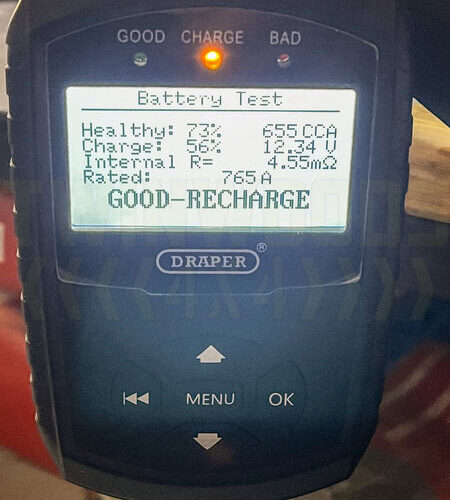
A basic voltage reading is useful, but it does not show the whole condition of the battery. A proper battery test can measure available cranking performance as well as checking how the battery behaves during starting and whether the alternator is charging correctly.
| Check | What it can tell you |
|---|---|
| Battery state of charge | Whether the battery is adequately charged before carrying out further testing. |
| Battery condition / CCA | Whether the battery can still deliver the cranking performance expected from it rather than simply showing a reasonable open-circuit voltage. |
| Cranking performance | Whether battery voltage collapses excessively when the starter motor is operated. |
| Charging-system output | Whether the alternator and charging system are replenishing the battery once the engine is running. |
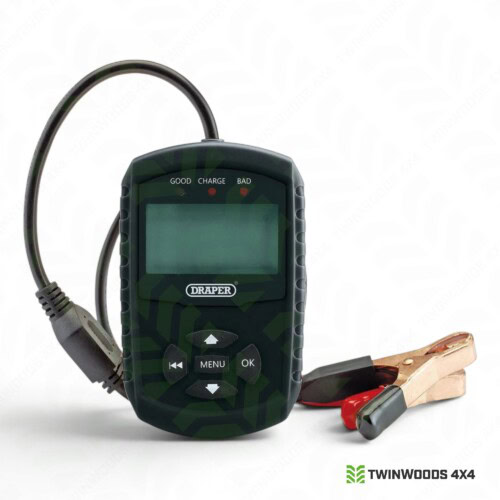
Our Draper 12V Battery Tester checks battery condition, available cranking performance and vehicle charging-system output, making it useful for separating a weak battery from a charging or starting-system problem.
If the battery keeps going flat
Replacing the battery will not cure an underlying vehicle fault. If a good battery repeatedly becomes discharged, investigate why before assuming another battery is required.
| Symptom | Worth checking |
|---|---|
| Battery goes flat while the vehicle is parked | Parasitic electrical drain, alarms, trackers, aftermarket accessories, interior or load-space lights and auxiliary electrical equipment. |
| Battery gradually loses charge during regular use | Alternator output, drive belt condition, charging connections and repeated short journeys that do not replace the charge used during starting. |
| Slow cranking with a charged battery | Battery terminals, engine and chassis earths, starter cables and the starter motor itself. |
| Auxiliary battery repeatedly becomes discharged | Split-charge system operation, charging method, accessory load and whether the battery type is suitable for repeated cycling. |
Jump starting a Land Rover
Jump starting is an emergency method of getting the engine running; it is not a substitute for properly recharging a discharged battery. If a battery has become extremely flat, repeatedly jump starting the vehicle and relying on the alternator to recover it can place unnecessary strain on both the battery and charging system.
Inspect the battery first
Do not attempt to jump start a battery that is cracked, leaking, badly swollen, excessively hot or otherwise visibly damaged.
Do not attempt to jump start a battery that is cracked, leaking, badly swollen, excessively hot or otherwise visibly damaged.
A very flat battery may already be damaged
Leaving a lead-acid battery deeply discharged can cause permanent internal deterioration. Getting the engine started does not mean the battery has recovered or is still serviceable.
Leaving a lead-acid battery deeply discharged can cause permanent internal deterioration. Getting the engine started does not mean the battery has recovered or is still serviceable.
Use the correct connection procedure
Incorrect polarity or careless jump-lead connection can damage electrical equipment. Follow the vehicle manufacturer’s jump-starting procedure and use a suitable earth point where specified.
Incorrect polarity or careless jump-lead connection can damage electrical equipment. Follow the vehicle manufacturer’s jump-starting procedure and use a suitable earth point where specified.
Recharge properly afterwards
After a deep discharge, use an appropriate battery charger to restore the battery fully and then test it. Do not assume a short drive after a jump start has returned a very flat battery to full charge.
After a deep discharge, use an appropriate battery charger to restore the battery fully and then test it. Do not assume a short drive after a jump start has returned a very flat battery to full charge.
Extra care is worthwhile on electronically managed Land Rovers such as Discovery 2, Defender TD5, Defender Puma and later models. Incorrect jump starting, reverse polarity or poor connections can turn a simple flat battery into a much more expensive electrical problem.
Battery care on working and modified Land Rovers
Winches and high-current accessories deserve particular attention. A winch can draw very high current for sustained periods, so repeated winching without allowing the battery and charging system time to recover can discharge even a large starter battery quickly. Vehicles regularly used for winching, camping or auxiliary power may be better served by a dual-purpose battery or properly designed second-battery system.
The same applies to Land Rovers that spend weeks parked between outings. Allowing the battery to discharge, jump starting it, using the vehicle briefly and then parking it again creates a cycle that is particularly hard on a starter battery. Keeping it charged between uses is considerably kinder to the battery than repeatedly rescuing it after it has gone flat.
Cold weather also exposes marginal batteries quickly. A diesel Land Rover needs substantial cranking current, while battery performance falls as temperature drops. If a TD5, 300TDI or TDCI begins cranking noticeably more slowly as winter approaches, checking the battery and charging system before it fails completely is worthwhile.