
Sealants
Sealants for Land Rover engine, gearbox, axle and exhaust repairs, including high-temperature RTV silicone, anaerobic gasket compound and exhaust assembly paste.
Start with the joint being sealed and the product specified for the repair. Flexible RTV silicone, anaerobic compound for close-fitting metal faces and exhaust assembly paste cure differently and are not interchangeable.
Showing all 3 resultsSorted by popularity

Find the right sealant for the job
The correct sealant depends on the joint design rather than the vehicle alone. Check whether the repair uses flexible RTV silicone, an anaerobic formed-in-place gasket, exhaust assembly paste, a conventional gasket or a combination specified by the workshop procedure.
| Job | Best place to start | Check before ordering |
|---|---|---|
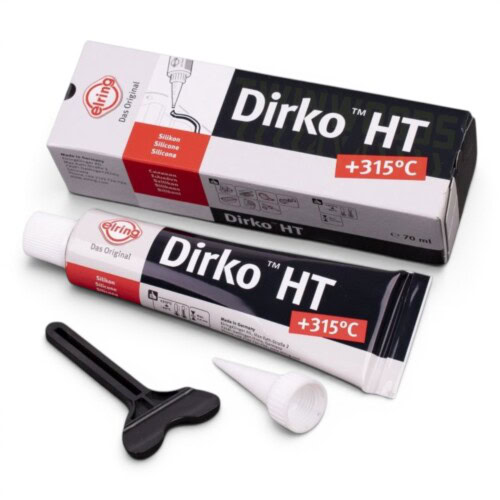
| Covers, housings and flanged joints requiring flexible RTV | STC50550 Elring Dirko HT silicone sealant | Confirm that RTV silicone is specified rather than an anaerobic compound or formed gasket |
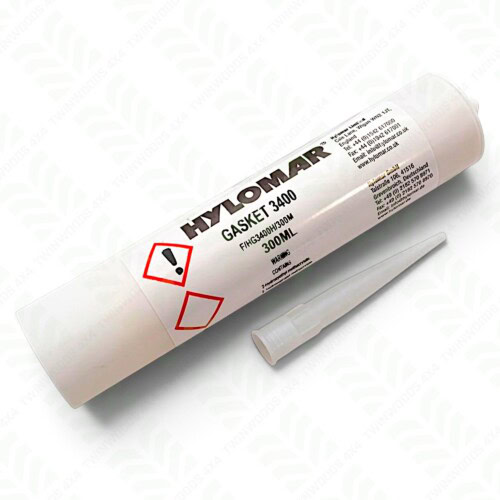
| Close-fitting machined metal faces | STC4600 Hylomar 3400 anaerobic gasket compound | Check the joint design and whether an anaerobic formed-in-place gasket compound is required |
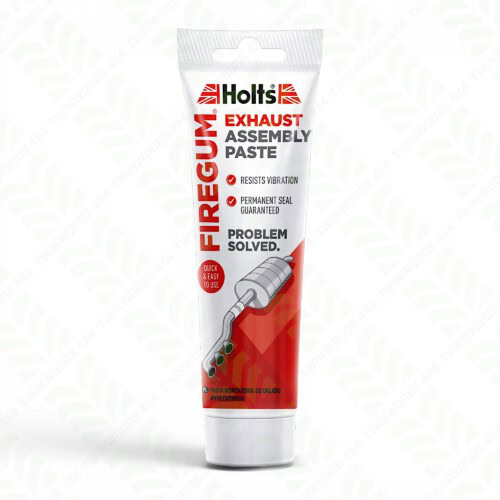
| Exhaust pipe joints, sleeves and clamps | Exhaust assembly paste | Check that the pipework, joint and any required gasket are serviceable before assembly |
Check the joint and sealing method
Sealants should be matched to the original joint design and repair method. Using the wrong compound can prevent the faces closing correctly, interfere with the intended gasket or leave a joint that fails to cure and seal properly.
Joint design
Identify whether the repair uses machined metal faces, a flexible flange, an exhaust slip joint or a conventional gasket.
Identify whether the repair uses machined metal faces, a flexible flange, an exhaust slip joint or a conventional gasket.
Specified sealant
Match the product reference or sealant type stated for the component rather than selecting a general-purpose tube.
Match the product reference or sealant type stated for the component rather than selecting a general-purpose tube.
Gasket requirements
Check whether the joint uses sealant alone, a formed gasket or a gasket with sealant applied only in specified areas.
Check whether the joint uses sealant alone, a formed gasket or a gasket with sealant applied only in specified areas.
Preparation and curing
Follow the product instructions for surface preparation, bead size, assembly time and curing before returning the component to service.
Follow the product instructions for surface preparation, bead size, assembly time and curing before returning the component to service.
Compare the different sealant types
| Sealant type | Main use | Important distinction |
|---|---|---|
| RTV silicone sealant | Covers, sumps, housings and flanged joints where a flexible silicone sealant is specified | Cures into a flexible seal and can accommodate a larger gap than an anaerobic compound |
| Anaerobic gasket compound | Close-fitting machined metal-to-metal faces, including suitable engine and transmission joints | Cures between assembled metal faces and is intended for joints with a very small sealing gap |
| Exhaust assembly paste | Exhaust pipe sleeves, slip joints and clamped connections | Heat-resistant assembly compound for exhaust joints rather than an engine, gearbox or axle sealant |
Current sealants
| Product | Use it for |
|---|---|
| STC50550 Elring Dirko HT 70ml | High-temperature black RTV silicone for suitable engine, gearbox, axle and housing joints |
| STC4600 Hylomar 3400 300ml | Anaerobic formed-in-place gasket compound for close-fitting machined metal faces |
| Exhaust Assembly Paste 150g | Sealing exhaust pipe joints during assembly |
Related workshop sections
| Section | Use it for |
|---|---|
| Engine assembly lubricants | Pre-lubricating bearings, camshafts and other internal engine parts during assembly |
| Workshop consumables and chemicals | Cleaning sprays, maintenance chemicals, lubricants and other workshop consumables |
| Land Rover oils and fluids | Engine oil, transmission fluids, coolant, brake fluid, grease and related workshop products |