
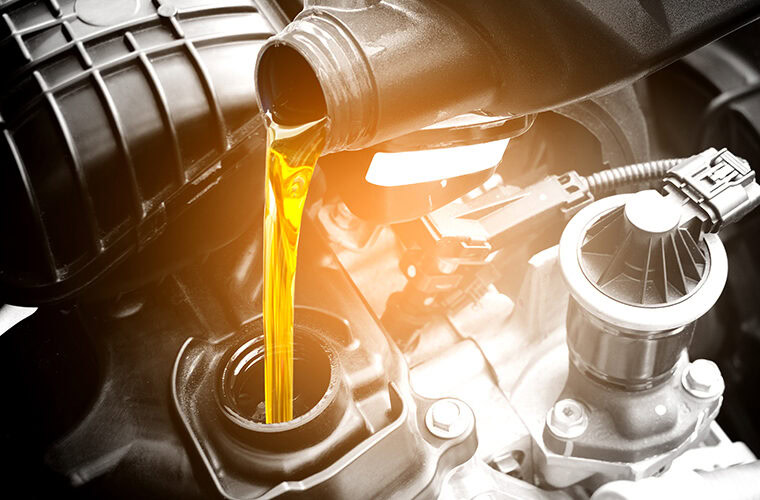
Spray Lubricants
Spray lubricants for freeing seized Land Rover fixings, lubricating hinges, catches, locks and linkages, displacing moisture and applying a longer-lasting grease film to moving components.
Start with the job: penetrating oil for rusted nuts and bolts, a light multipurpose spray for everyday maintenance, or PTFE spray grease where the lubricant needs to remain on the component. Check the product page for intended use and any material or surface restrictions before application.
Showing all 3 resultsSorted by popularity

Find the right spray lubricant
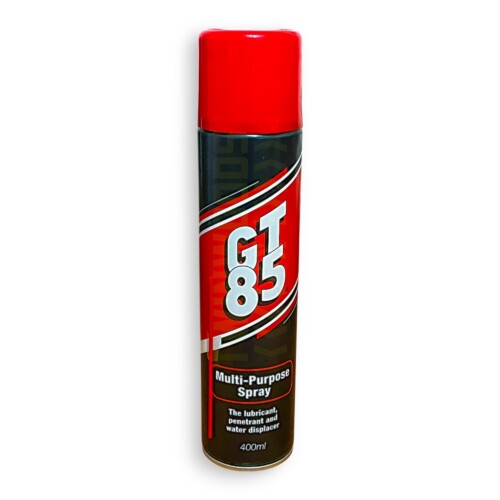
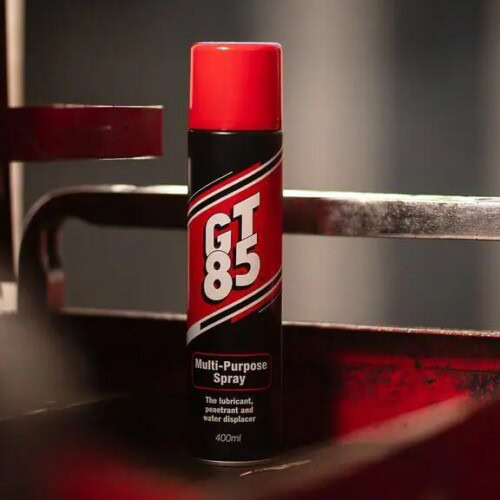
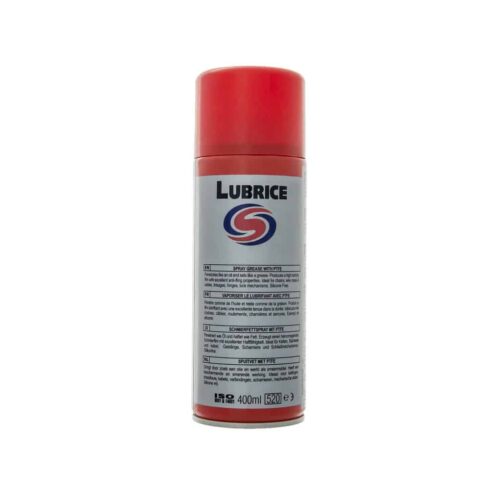
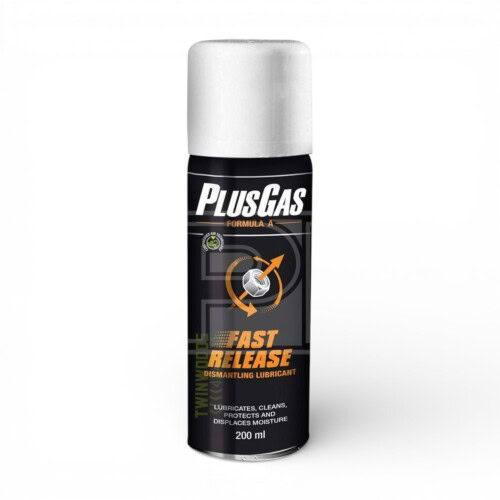
The products in this section perform three distinct jobs. PlusGas is intended to penetrate seized threads, GT85 provides light general lubrication and moisture displacement, while PTFE spray grease applies as a spray before forming a thicker, longer-lasting lubricating film.
| Job | Best place to start | Check before use |
|---|---|---|
| Freeing rusted nuts, bolts and fittings | PlusGas penetrating oil | Allow time for the oil to penetrate the seized thread before working the fastener |
| Hinges, catches, locks, linkages and general maintenance | GT85 spray lubricant | Use where a light lubricating and moisture-displacing film is appropriate |
| Chains, cables, linkages and moving parts needing a grease film | Lubrice PTFE spray grease | Check that a thicker anti-fling grease is suitable for the component and surrounding materials |
Choose the spray by the job
A penetrating oil, light multipurpose lubricant and spray grease are not interchangeable simply because all three are supplied in aerosol cans. Consider how far the product needs to penetrate, how much lubricant should remain afterwards and whether the component is exposed to movement, moisture or dirt.
Seized or moving
Use penetrating oil to free corroded threads. Use a lubricating spray or spray grease once the component is moving and requires ongoing lubrication.
Use penetrating oil to free corroded threads. Use a lubricating spray or spray grease once the component is moving and requires ongoing lubrication.
Light or lasting film
GT85 leaves a light protective film, while PTFE spray grease is intended to remain as a thicker lubricant.
GT85 leaves a light protective film, while PTFE spray grease is intended to remain as a thicker lubricant.
Contact surfaces
Keep lubricants away from brake friction surfaces, clutch friction material, drive belts and other components that must remain dry.
Keep lubricants away from brake friction surfaces, clutch friction material, drive belts and other components that must remain dry.
Material compatibility
Follow the instructions on the aerosol and check suitability before applying a lubricant to plastics, rubber, painted surfaces or electrical components.
Follow the instructions on the aerosol and check suitability before applying a lubricant to plastics, rubber, painted surfaces or electrical components.
Compare spray lubricant types
| Product type | Main use | Lubricant left behind |
|---|---|---|
| Penetrating oil | Rusted nuts, bolts, threads, clamps and seized fittings | Thin oil designed to creep into corrosion and tight threads |
| Multipurpose spray lubricant | Hinges, catches, locks, linkages, tools and everyday maintenance | Light lubricating and protective film with moisture-displacing properties |
| PTFE spray grease | Chains, wire ropes, cables, hinges, locks and moving linkages | Penetrates during application before forming a longer-lasting grease film |
Related workshop products
| Section | Use it for |
|---|---|
| Workshop consumables and chemicals | Brake cleaner, electrical contact cleaner, engine cleaners and other workshop chemical products |
| Land Rover grease | Wheel bearing, chassis, universal joint, brake and swivel housing grease |
| Land Rover sealants | Silicone sealant, anaerobic jointing compound and exhaust assembly paste |
| Land Rover oils, grease and fluids | Engine oil, transmission fluids, coolant, brake fluid, grease and related workshop lubricants |