
Land Rover Torque Wrenches
Torque wrenches selected for Land Rover owners doing their own servicing and repairs, covering everything from small engine and housing fixings to wheel, brake, suspension and high-torque drivetrain work.
Correct tightening matters throughout a Land Rover. Too little torque can allow a fixing to move or work loose, while too much can strip threads, stretch fasteners, distort components or snap bolts. Our Draper range deliberately covers three useful bands: 5–25Nm for low-torque work, 30–210Nm as the main Land Rover workshop wrench, and 200–800Nm for the exceptional high-torque jobs.
Showing all 3 resultsSorted by popularity
Which Torque Wrench Do I Need?
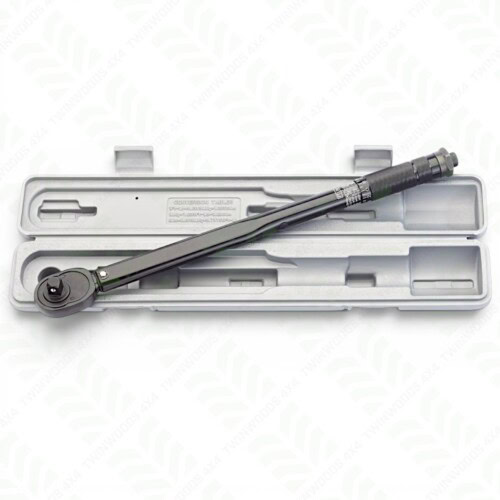
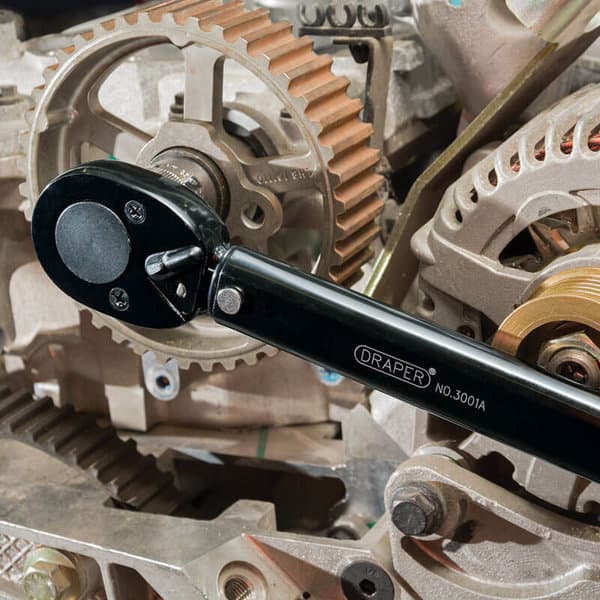
For most Land Rover owners building a home workshop, the 30–210Nm 1/2″ drive wrench is the place to start. It covers a large proportion of normal wheel, brake, steering, suspension, propshaft and drivetrain work. The smaller 5–25Nm wrench deals with lightly tightened fixings below that range, while the 200–800Nm Draper Expert is reserved for the handful of jobs requiring several hundred newton metres.
| Torque wrench | Role in the workshop | Typical Land Rover work |
|---|---|---|
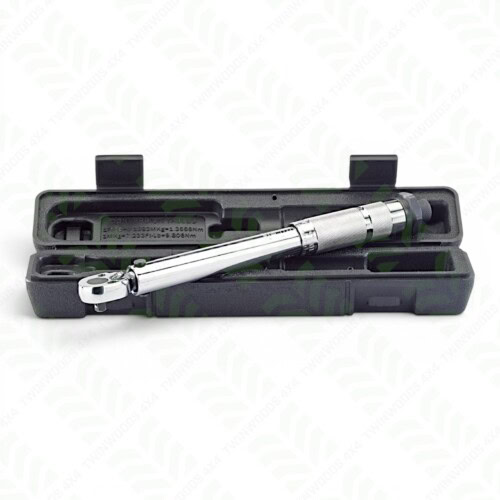
| 5–25Nm 1/4″ drive | Low-torque wrench | Smaller engine, cover, housing and service fixings where a general 1/2″ torque wrench does not reach low enough. |
| 30–210Nm 1/2″ drive | Main workshop torque wrench | Many wheel, brake, steering, suspension, propshaft, drivetrain and general assembly jobs. |
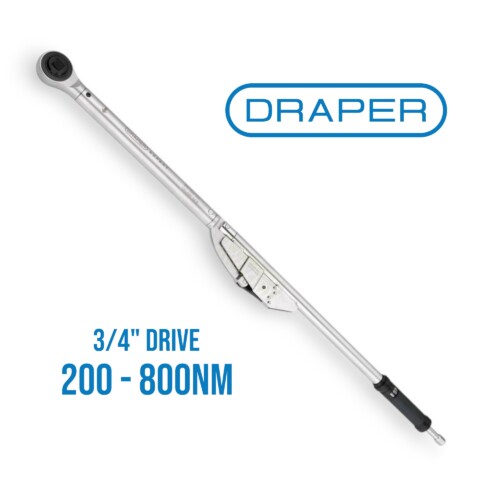
| 200–800Nm 3/4″ drive | Specialist high-torque wrench | Exceptional jobs including the 490Nm Discovery 2 driveshaft nuts and 460Nm TD5 crankshaft pulley bolt. |
Start with the specified tightening torque for the exact vehicle and component, then use a wrench whose working range covers that figure. The individual product pages give the drive size, torque direction and operating details for each wrench.
Why Correct Torque Matters
A torque wrench is not just an engine-building tool. Land Rover tightening figures appear throughout the vehicle because a fixing needs enough clamping force to do its job without overloading the bolt, thread or component it is securing. A normal ratchet or breaker bar gives no reliable indication of how much torque has actually been applied.
Too little torque
A fixing may not provide the required clamping force and can move or work loose in service.
A fixing may not provide the required clamping force and can move or work loose in service.
Too much torque
Overtightening can strip threads, stretch fasteners, distort components or turn a straightforward job into a snapped-bolt repair.
Overtightening can strip threads, stretch fasteners, distort components or turn a straightforward job into a snapped-bolt repair.
Small fixings matter too
Low-torque bolts into aluminium housings, covers and gasketed joints are particularly easy to damage when tightened by feel.
Low-torque bolts into aluminium housings, covers and gasketed joints are particularly easy to damage when tightened by feel.
Between the 5–25Nm and 30–210Nm Draper wrenches, a home Land Rover workshop is equipped for the vast majority of routine torque settings. The 200–800Nm Draper Expert takes over when the workshop manual starts quoting the really big numbers.
Related Workshop Tools
| Section | Useful for |
|---|---|
| Sockets, Spanners & Drive Tools | Sockets and drive tools used with torque wrenches during Land Rover dismantling and reassembly. |
| Jacking & Lifting Equipment | Jacks and vehicle support equipment for wheel, brake, hub and suspension work. |