
TD5 Crank Sensors for Defender & Discovery 2
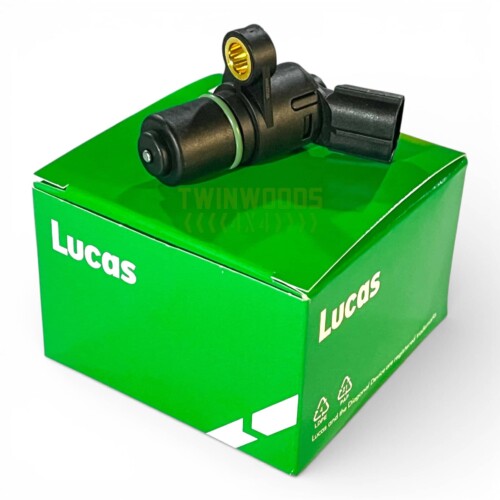
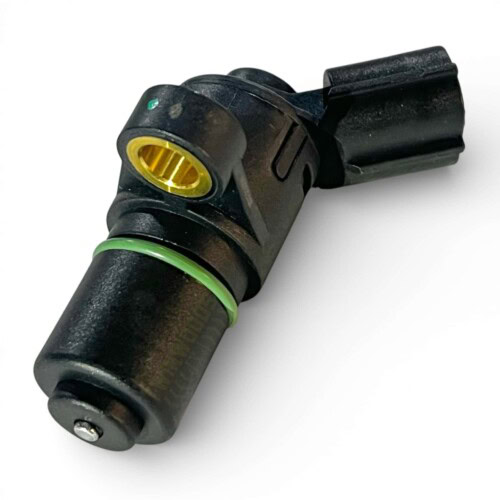
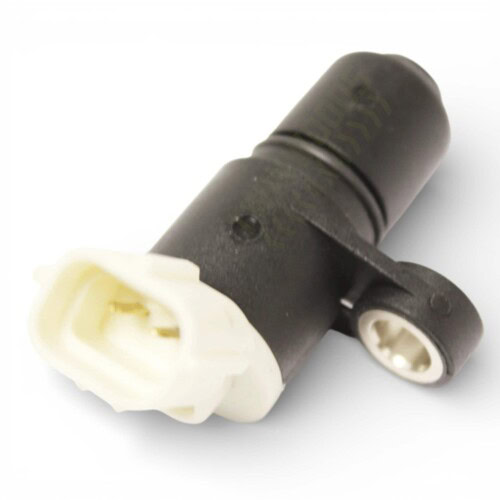
TD5 crank sensors for Defender and Discovery 2, with a Lucas-branded OE quality sensor and a selected aftermarket replacement covering the same engine-speed sensor fitment.
The crankshaft position sensor provides the ECU with the engine-speed signal required to control injector operation. Sensor or wiring faults can cause cranking without starting, intermittent cutting out or no RPM reading during cranking, so inspect the connector and nearby wiring before replacing the sensor.
Showing all 2 resultsSorted by popularity

Which TD5 crank sensor should I buy?
Both sensors fit Defender TD5 and Discovery 2 TD5 engines. The main decision is between the Lucas-branded sensor and the lower-priced selected aftermarket replacement.
| Sensor | Quality level | Key details |
|---|---|---|
| Lucas TD5 crank sensor – NSC100790G | Lucas OE sensor | Supplied with the rubber O-ring fitted and replaces NSC100790 and earlier NSC100380 |
| Selected replacement TD5 crank sensor – NSC100790A | Selected aftermarket replacement | Direct plug-in replacement requiring no programming, positioned at the lower price point |
Check the sensor wiring
A damaged connector, brittle wiring or poor electrical connection can produce the same symptoms as a failed crank sensor. Check the plug and wiring close to the sensor before fitting a replacement, particularly where a previous sensor change has not cured an intermittent fault.
For other engine-management components, see Defender TD5 engine sensors and Discovery 2 TD5 engine sensors.